
Wolverine in focus: six suits, six different moods
Player portraits explore six Wolverine looks, from Ultimate Red to Hellverine. Costume, lighting and setting give Logan a different presence in every frame.
Read article ↗Player portraits explore six Wolverine looks, from Ultimate Red to Hellverine. Costume, lighting and setting give Logan a different presence in every frame.
Read article ↗
Peak arrives on PS5 on October 22 with crossplay co-op. A single slip can disrupt the climb, making teamwork as valuable as quick reactions.
Read article ↗
Mafia: The Old Country, Horizon Forbidden West and Mycopunk headline October’s PlayStation Plus Game Catalog, with the main lineup arriving October 20.
Read article ↗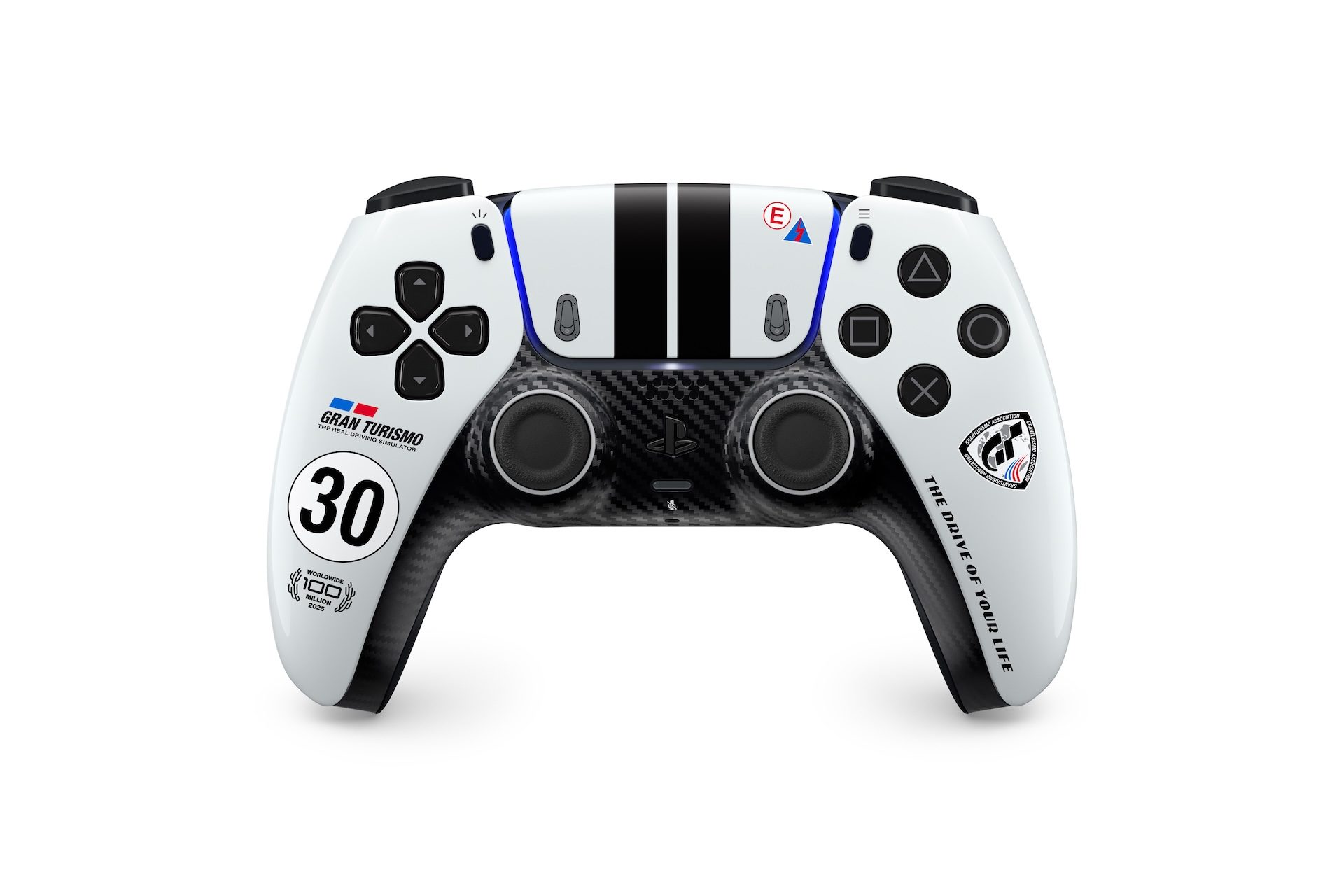
Gran Turismo 7’s Spec IV Part 1 introduces six vehicles, Sportsland Sugo and additional events and experience features.
Read article ↗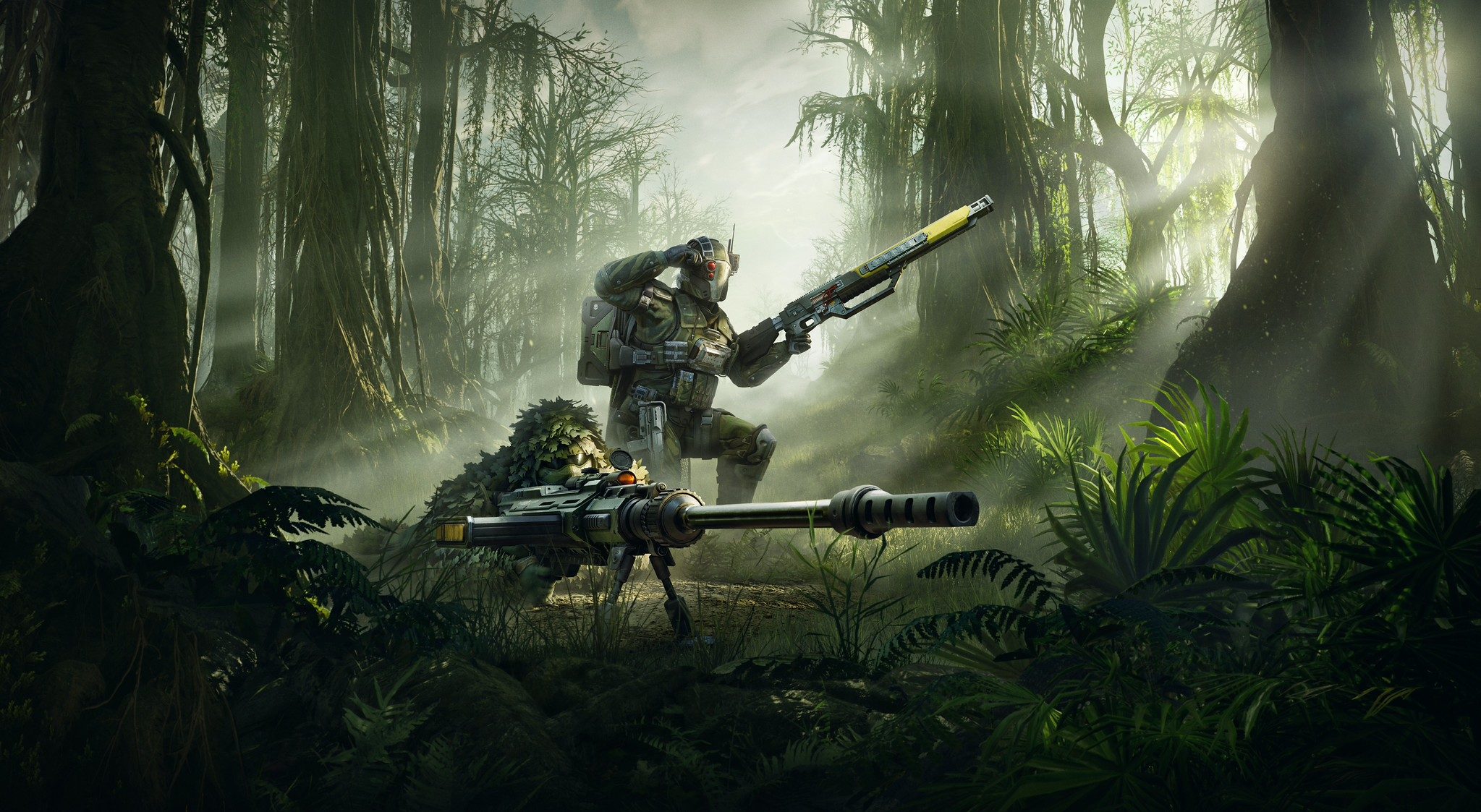
The Scope of Authority Premium Warbond is scheduled for October 20, adding equipment built around precision fire and squad coordination.
Read article ↗Practical ways to examine a move, learn from an attempt and practice deliberately.

Putting two matching layers together feels like progress, but it can consume the only empty tube. Before pouring, ask which color becomes accessible next and where that color can go. A tidy tube is useful only if the remaining tubes still have legal moves.
Read article →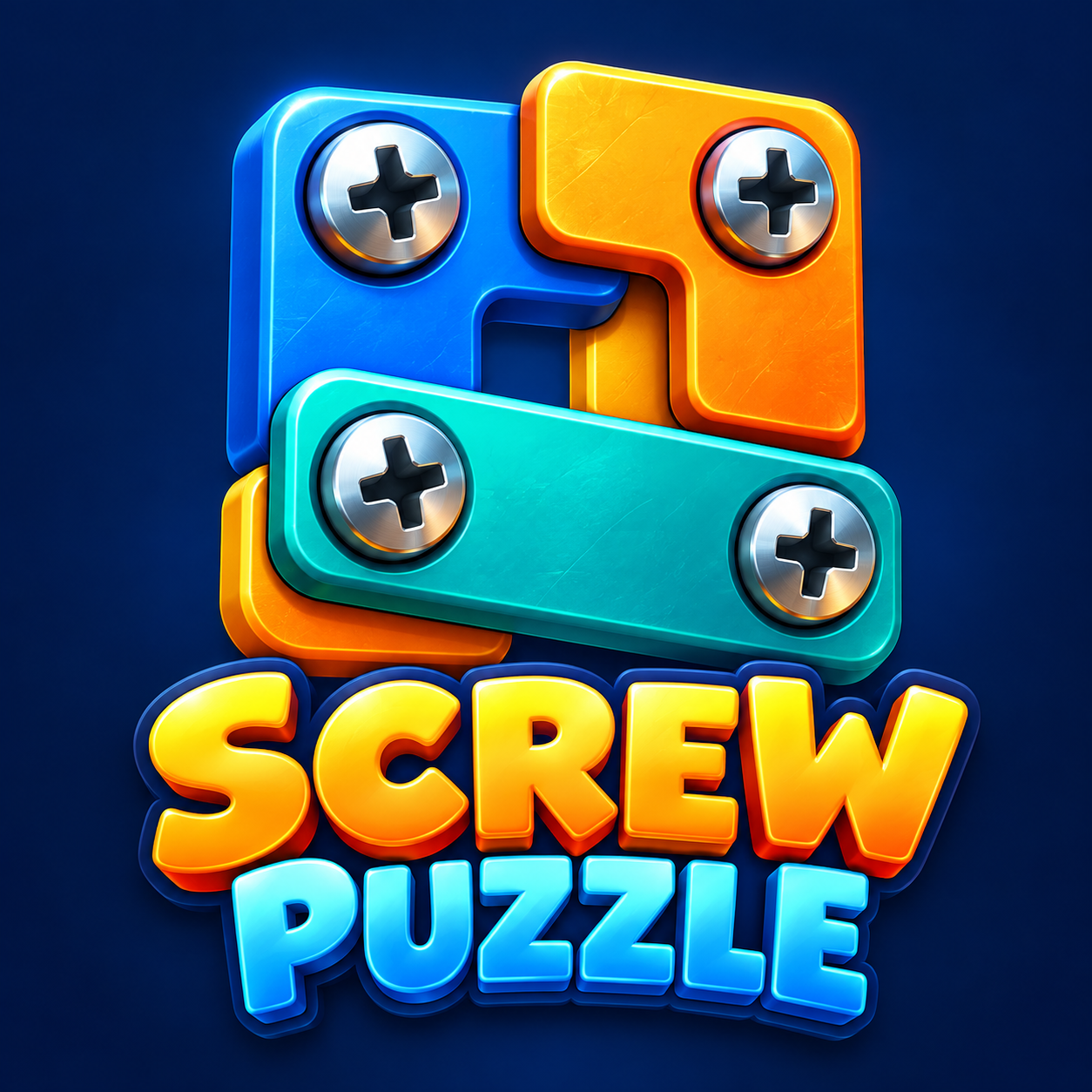
A removal puzzle asks more than whether a screw is selectable. One piece can limit access to another, so the important question is what changes after removal. Identify an accessible part and predict the next newly accessible part before selecting it.
Read article →
A taller result can come from luck even when the timing habit has not improved. For a short practice session, focus on the alignment of each placement. Stop judging an attempt only by its final height and notice when the first visibly poor placement occurs.
Read article →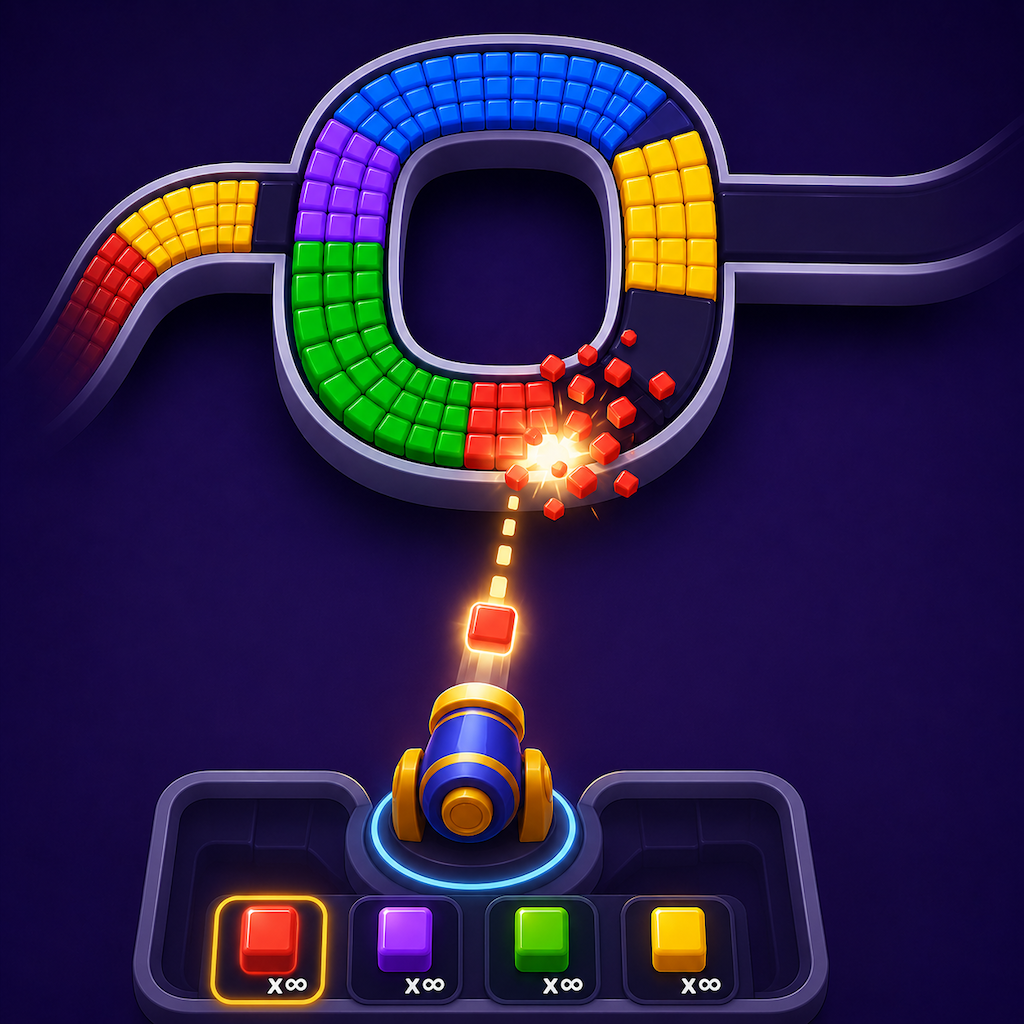
A shot aimed straight at a nearby brick is easy to understand. An angled shot may travel through more of the formation, depending on how the current game handles bounces. First observe a simple shot and use its visible path to understand the rules.
Read article →
A nearly empty board can tempt you to place a cat anywhere that looks reasonable. Instead, read the displayed rules and choose a position whose options are already limited. A move supported by several constraints gives you more information than a move supported only by an empty space.
Read article →
A three-dimensional puzzle hides information across several views. Before trying a mechanism, examine the visible sides and note distinctive shapes, seams and movable parts. This creates a reference for deciding whether an interaction actually changed the box.
Read article →
Before changing your gear-powered fighter, describe what went wrong in the previous encounter. Did the build fail to apply pressure, survive long enough or handle the opponent? These are questions to investigate, not claims about particular statistics or upgrade effects.
Read article →
An obstacle is easier to understand when you see it approach, pass and return. Before moving into its path, observe that cycle from a safe position when the level allows it. Choose a visible event as your cue, such as the obstacle moving away from the crossing.
Read article →